
Endometriosis affects around 10% of women and girls of reproductive age worldwide — roughly 190 million people. If you're living with it, you already know the daily reality of chronic pain, inflammation, and gut symptoms. There's no cure, so treatment is really about symptom management, and that's exactly where nutrition can come in.
I have endo myself, and I know a lot of other spoonies who do too. My symptoms started with my very first period — painful, heavy periods that made it hard to get through school and uni. I'd get asked constantly if I was unwell, and on the days I did make it out of the house, I'd come home and just collapse, completely wiped. At 17, gut symptoms started too, and like so many of us, I was first misdiagnosed with IBS. It took until I was 24 — over ten years after my symptoms began — to actually get a diagnosis of endometriosis.
Since then, I've seen just about every "endo diet" claim floating around online, and a lot of it is contradictory, oversimplified, or just not backed by much at all. So today I want to actually walk through what the research says — not a meal plan, not a list of foods to fear, just the evidence as it currently stands.
What's actually going on with endo?
Endometriosis is a chronic, whole-body inflammatory condition where tissue similar to the lining of the uterus (though not the same tissue) grows outside of it. It's complex, and genuinely still not fully understood — but the research consistently points to three key players: inflammation, oestrogen, and the gut microbiome.
Standard treatment usually involves hormonal medications like the pill or an IUD, pain relief, and sometimes surgery to remove lesions. Pelvic floor physio, CBT, and acupuncture can also come into the picture. Diet sits alongside all of this — not instead of it — as one more tool that can genuinely support symptom management.
What does the research actually say about diet and endo?
There isn’t one single “endo diet”, and I'd be pretty sceptical of anyone telling you there is. But there are a few dietary patterns that have been studied, and the research is worth unpacking properly rather than boiling down to a checklist.
The Mediterranean diet has shown genuine promise — studies link it to improvements in pain, painful sex, painful bowel movements, and period pain. That's largely thanks to its high antioxidant and polyphenol content, plus its overall anti-inflammatory profile. In practice, that looks like leaning toward olive oil, fruit, vegetables, wholegrains, nuts and legumes, with fish, poultry and dairy in moderation, and red meat and ultra-processed foods less often.
The low FODMAP diet comes up a lot in endo spaces, mostly because endo and IBS overlap so heavily — people with endo are 2-3 times more likely to also have IBS, and a low FODMAP approach can genuinely ease gut symptoms for some. But this one comes with a real caveat: it's a restrictive, short-term diet, not something to live on long-term. It needs a proper reintroduction phase to widen things back out again, and that's genuinely best done with a Dietitian rather than DIY-ed off an app or checklist.
Fibre also has a solid evidence base here, mostly through its link to oestrogen. Oestrogen gets excreted through our bowel movements, so keeping things regular helps prevent it being reabsorbed. Fibre also feeds the good bacteria in your gut, supporting the kind of microbiome diversity that's increasingly linked to lower inflammation.
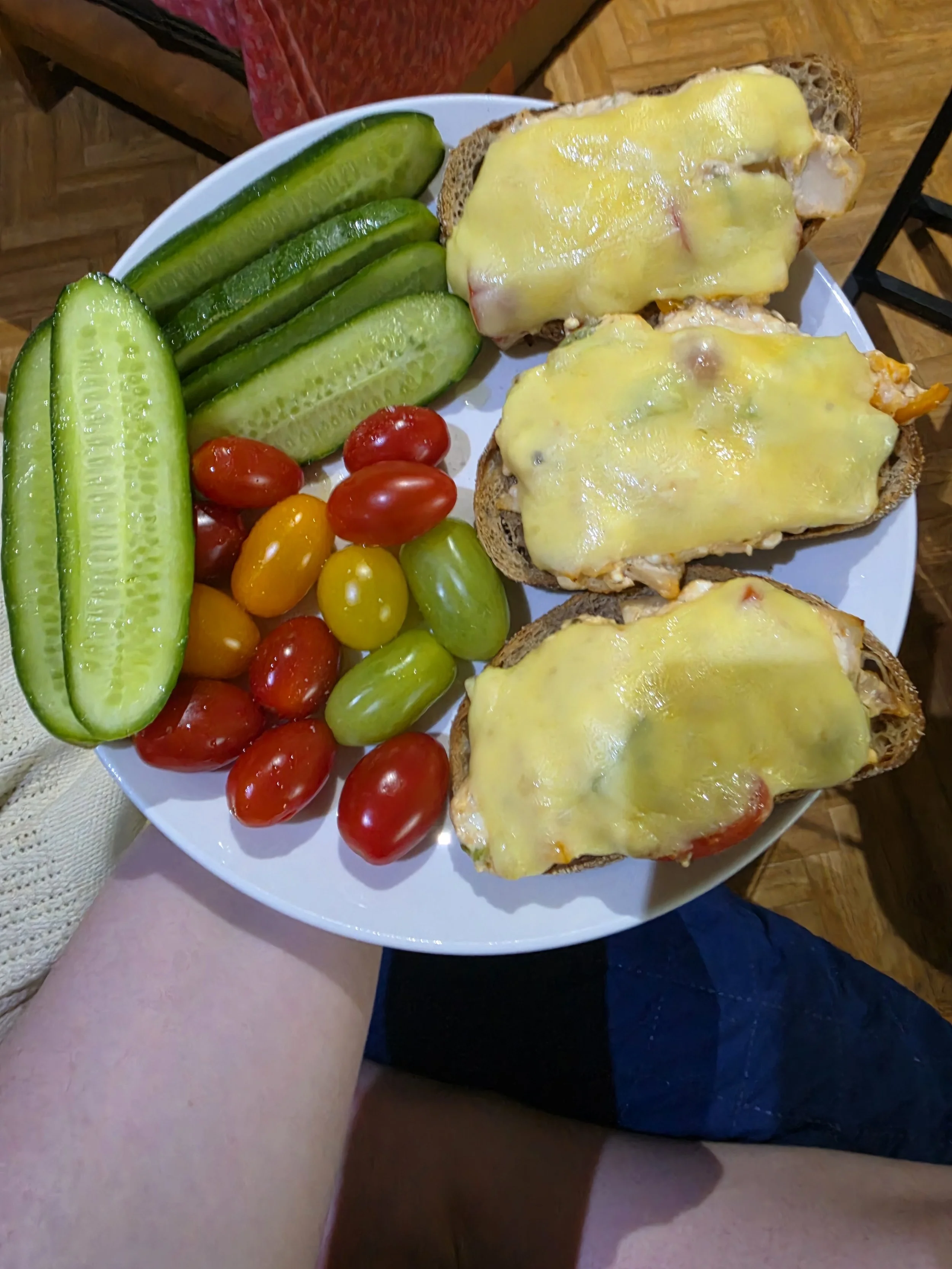
There isn’t one single “endo diet,” and I’d be pretty sceptical of anyone telling you there is.
So what might this actually look like day to day?
This is where I want to be really clear — none of the below is a "must do," and it's not a checklist to complete perfectly. It's more a loose direction to lean toward, as much as your energy allows.
More colour and variety on your plate. Fruit and veg bring antioxidants and phytonutrients that support that anti-inflammatory effect, and variety itself is genuinely good for your gut microbiome. You don't need to hit an exact number — just more colour, more often, where you can.
Oily fish and healthy fats, a few times a week if that works for you. Salmon, sardines and mackerel bring omega-3s that help with inflammation. Nuts, seeds, olive oil and avocado do similar work. If fish isn't your thing, try a fish oil supplement or if you're plant-based, an algae-based omega-3 supplement is a reasonable alternative.
Staying hydrated. Good hydration supports both hormone elimination and gut health — there's no need for a strict target, just building it in where you can through the day.
Wholegrains over refined where it's realistic. Quinoa, oats, brown rice — these bring more fibre along for the ride, supporting that oestrogen-gut connection we talked about earlier.
Herbs and spices, used generously. Turmeric, ginger and cinnamon all carry genuine anti-inflammatory properties, and they're a genuinely easy, low-effort way to add benefit to meals you're already making.
Less ultra-processed food, alcohol and red meat, where it feels doable. These are linked with more inflammation. That doesn't mean cutting them out — just letting wholefoods make up more of the picture over time, without needing it to be all-or-nothing.
A few things people ask me a lot
Can diet cure endometriosis? No — there's no cure. But an anti-inflammatory, gut-supportive way of eating can meaningfully reduce symptoms and improve quality of life for a lot of people.
What should I actually avoid? Less about avoiding, more about adding. Ultra-processed foods, excess alcohol, and high saturated fat foods are the ones with the most evidence against them — but the bigger lever is what you're adding in, not just what you're cutting out.
How long before I'd notice a difference? Gut symptoms tend to shift fastest, often within a few weeks. Pain tends to take longer — more like a couple of months of consistent patterns before you'd expect to feel a real difference.
None of this needs to be perfect, and it definitely doesn't need to happen all at once. An endo-friendly way of eating can absolutely be done with low spoons, and it'll look a little different for everyone — because your symptoms, your body and your life aren't the same as anyone else's.
If you're ready for support that's actually built around the full picture — not just a list of foods — book a free discovery call and we can chat about what that could look like for you.
Want 5 anti-inflammatory foods to start, and easy ways to add them to your day? Grab my free guide, no elimination diets required.
Thanks for reading. You're not alone in this.
🩷Emma